What Is K-pop Photocard Culture? My Honest Answer After a Year of Collecting in Seoul
Here is the short version, because I know some of you just want the answer before you scroll. K-pop photocard culture is the whole world of collecting, trading, and obsessing over the tiny credit-card-sized photos of idols that come randomly tucked inside physical albums. Every album gives you one or two random cards, the version you buy changes which cards you can pull, and because it is all luck, an entire trading economy grew up around it. That is the heart of it.
I moved to Seoul with a vague idea that I liked K-pop. I did not expect to end up on a café floor in Hongdae one Saturday, sleeving a Wonyoung card in a popcorn sleeve while a stranger filmed the whole thing on her phone. But that is exactly where photocards took me. So if you are curious what all these acronyms mean, why grown adults buy ten copies of the same CD, and how to actually do this without getting scammed or heartbroken, let me walk you through what I learned the messy way.
Honestly, I wish someone had explained this to me before I dropped my first 15,000 won on an album and pulled a member I did not even bias. So consider this the guide I needed.
What Are Photocards and Why Is Everyone Obsessed?
A photocard, or "poca" as everyone here shortens it, is a small glossy print of a single idol, usually around 55mm by 85mm. Basically the size of a credit card, which is not an accident, because they fit perfectly into standard sleeves and binders. Each physical album comes with one or two of them, and which member you get is completely random.
That randomness is the whole trap. When I bought my first album, I genuinely thought I could just pick the card I wanted. Nope. You buy the album, you open it with shaking hands, and the universe decides. My first pull was a member I liked fine but was not my bias, and that tiny disappointment is the exact feeling that fuels this entire hobby. You want your bias. You will do slightly unhinged things to get your bias.
The version thing nobody warns you about
This confused me for weeks, so let me save you the trouble. Most K-pop albums come in multiple versions, and they usually have the same songs but totally different packaging and photocard sets. The main formats you will run into are:
- Photobook — the big pretty one with lots of photos, more expensive, usually the best card sets
- Digipack — slimmer and cheaper, still comes with a card
- Jewelcase — the most budget-friendly, sometimes sold as individual member versions
That last one is the sneaky good tip. Some groups release member-specific versions, so if you have a bias, buy their version and your odds of pulling them go way up. I learned this after wasting money on random versions. Rookie mistake, and I made it twice, because apparently I do not learn.
Decoding the Acronyms: POB, PC, WTS, and the Rest
The first time I opened a trading post on Twitter (X, whatever) I felt like I was reading a different language. Here is the honest crash course, the stuff I actually use every week.
PC just means photocard. POB means Pre-Order Benefit, which is a special card you only get when you pre-order from a specific store. This is the part that got expensive for me. Where an album a few years ago might have had two or three retailer variants, big 2026 releases can have fifteen to twenty different POB cards per member, each from a different shop like Weverse, Ktown4u, Aladin, Synnara, or Yes24. So collecting one member "fully" is almost a joke now.
Then there is the trading shorthand: WTS is Want To Sell, WTB is Want To Buy, and WTT is Want To Trade. You will see these a hundred times a day once you start looking. Cards are also graded loosely from mint down to played, and a single bent corner can genuinely wipe out a big chunk of a card's value. I found that out when I casually shoved a card in my wallet like a normal person. Do not do that.
Why do fans buy ten albums at once?
This is the question my mum asked me on video call, and it is a fair one. The answer is lucky draws and pull odds. Because cards are random, buying more copies raises your chance of pulling your bias or winning rarer event cards. Some people take it very far. Korean news has reported fans spending anywhere from three to ten million won on bulk albums just to boost their odds, then reselling or even tossing the copies once they get the card they wanted.
I am not that person, to be clear. My personal limit is three albums per comeback, and even that made me wince the first time. But I understand the pull now, no pun intended.
The Photocard Hierarchy: From Cheap Pulls to $800 Cards
Not all cards are equal, and figuring out the tiers helped me stop overpaying. Here is roughly how it breaks down, from what I have actually seen in shops and trades.
| Card type | How you get it | Rough value |
|---|---|---|
| Album PC | Random inside any album | $5–20 |
| POB PC | Pre-order from a specific store | A bit more, harder to find |
| Lucky draw | Prize for bulk buying | Higher, limited |
| Broadcast card | Given at live music show tapings | $200–800+ |
| Fansign PC | Won at a fansign event | 300,000–800,000 KRW for popular members |
The broadcast and fansign cards are the ones that make your eyes water. A broadcast card that went for around $300 in 2023 can trade for $550 to $800 now, and fansign cards signed by the idol in person are basically the holy grail. I have held exactly one broadcast card in my hands, at a trade meetup, and I was too scared to even ask the price. The whole secondary market for this stuff is estimated to run over $500 million a year, which still feels insane to type out.
Where I Actually Buy and Trade in Seoul
Okay, the practical part. If you are visiting or living here, Seoul is genuinely photocard heaven, and the scene clusters in three areas.
Myeongdong is the obvious starting point. POCASPOT Myeongdong is the big famous one, open daily from 10am to 10pm, about a five-minute walk from Myeongdong Station Exit 5. It is the spot most international fans hit first, and honestly it can get overwhelming with the sheer wall of cards. MusicKorea nearby has really deep stock of POB cards if you are hunting a specific retailer variant.
Hongdae is my personal favorite because it feels less touristy and more like my actual life here. Pokaboo runs photocard vending machines, which is exactly as dangerously fun as it sounds, and there is a PocaSpot branch with same-day pickup of over two million cards. I have lost whole afternoons here.
Gangnam has Ktown4u at COEX, which is basically a multi-floor K-pop playground connecting album purchases to fansign draws. Good for the big-event energy.
How to trade in person without getting burned
The safest in-person trading, in my experience, is at organized meetups. Fans set these up through Twitter and fandom communities, usually at cafés or public spaces on weekends. Search "포카 교환 모임" (photocard trading meetup) plus your fandom name and you will find them. The reason meetups feel safe is that the community self-polices hard. Scammers get named and shamed publicly, fast.
For any trade, especially shipping ones, film everything. The global etiquette now basically demands video proof. You keep the camera rolling while you unbox, count, sleeve, and pack, so if something goes wrong the timestamps settle the argument. I felt silly doing it the first time. I do not feel silly anymore.
How Do You Protect Photocards? My Cheap Daiso Routine
Please protect your cards. I say this as someone who did not, at first, and paid for it emotionally.
The rule I follow now: sleeve first, then toploader. You wrap the card in a soft clear "popcorn" sleeve before sliding it into a rigid toploader, because the soft layer stops the hard plastic from scuffing the surface or nicking the edges. Use acid-free, PVC-free plastic only. If the packaging does not clearly say that, I skip it.
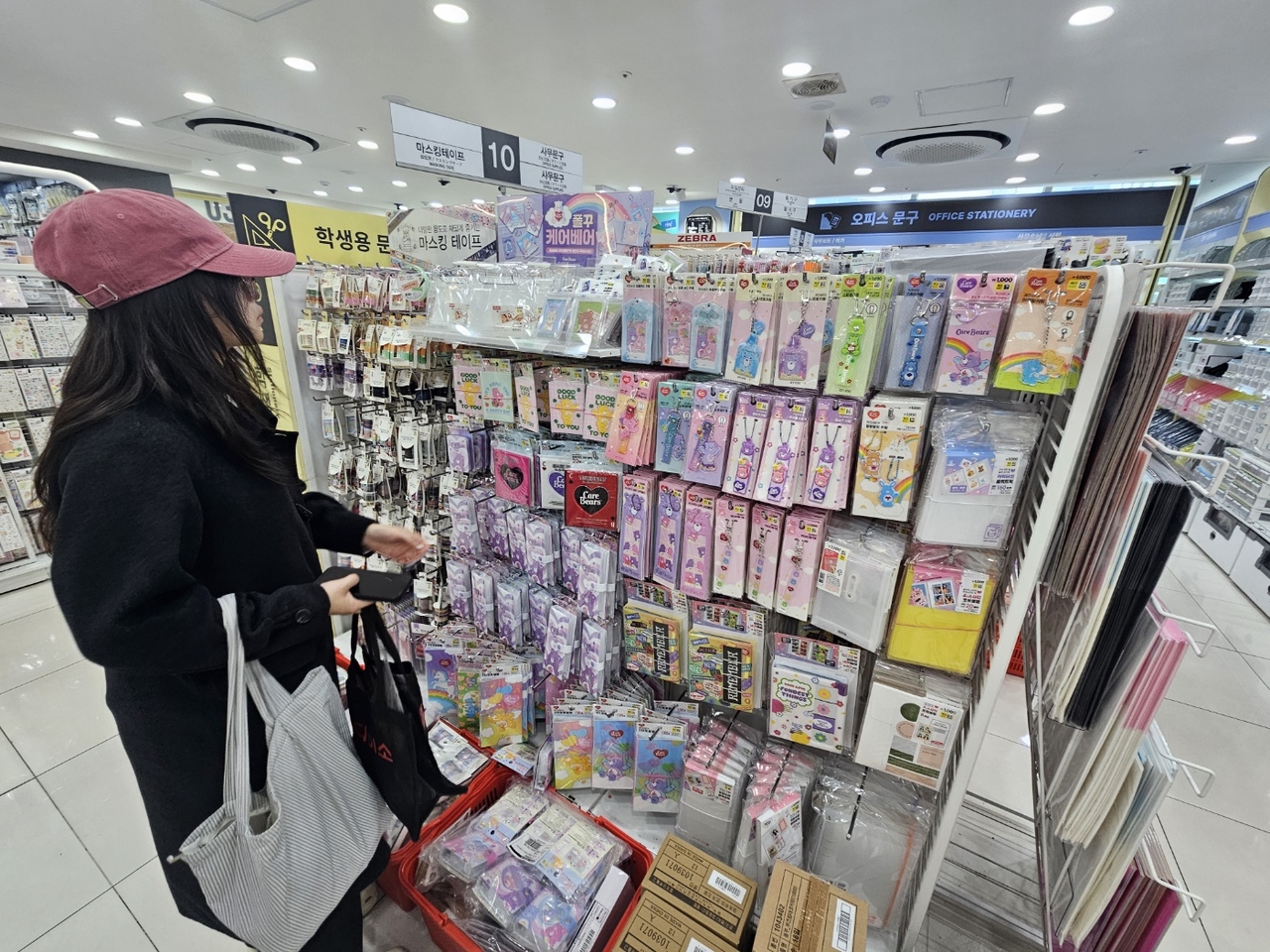
The beautiful part is how cheap this is to start. Daiso, which is everywhere in Seoul, sells sleeves, cases, and keyrings for roughly 1,000 to 2,000 won each. My entire starter kit cost less than a coffee. For a binder, look for acid-free archival pages and D-ring binders, because the pages lie flatter and put less stress on the edges.
Photocards vs Just Streaming: Which Kind of Fan Are You?
Someone asked me recently if all this is worth it when you can just stream the music for free. Fair. So here is my honest comparison of the two ways to be a fan.
If you love the music and the convenience, streaming is obviously enough, and there is zero shame in that. You spend nothing, you clutter nothing, and you still know every lyric. Photocard collecting is for a different itch. It is tactile, it is social, and it turns fandom into something you can hold and trade and display. The downside is real though: it costs money, it eats time, and the randomness can genuinely mess with your feelings.
My take after a year? Do photocards if you want the community and the little dopamine hit of a good pull. Stick to streaming if the idea of spending 45,000 won and pulling the wrong member makes you anxious. Both are completely valid ways to love a group.
Frequently Asked Questions
How much does it cost to start collecting K-pop photocards?
You can start for very little. A single physical album runs around 15,000 to 20,000 won and comes with a card or two, and protective supplies from Daiso cost roughly 1,000 to 2,000 won each. So a genuine starter setup is under 25,000 won. It only gets expensive if you chase specific POB or broadcast cards on the secondary market.What does POB mean in K-pop?
POB stands for Pre-Order Benefit. It is an exclusive photocard you receive only when you pre-order an album from a specific retailer like Weverse, Ktown4u, Aladin, or Yes24. Each store offers its own unique POB design, and because they are harder to get than standard album cards, they usually hold more value.Where is the best place to buy photocards in Seoul?
For most people I recommend starting at POCASPOT in Myeongdong, which is open 10am to 10pm daily and is the most popular spot for international fans. Hongdae has Pokaboo with vending machines, and Gangnam has Ktown4u at COEX. For specific POB cards, MusicKorea in Myeongdong keeps deep stock.How do I trade photocards safely without getting scammed?
Trade in person at organized meetups whenever you can, since the community publicly calls out scammers and self-regulates. Search "포카 교환 모임" plus your fandom name on Twitter to find them. For any shipped trade, film the whole packing process for video proof, and always sleeve and toploader the card before sending.Why do fans buy multiple copies of the same album?
Because photocards are randomly inserted, buying more copies raises your odds of pulling your bias or winning rarer lucky-draw cards. Some collectors spend heavily on bulk albums just to improve their chances, then resell the extra copies afterward. Most casual fans, myself included, cap it at two or three copies per comeback.Final Thoughts: Is K-pop Photocard Culture Worth It?
If you take one thing from this, let it be this: K-pop photocard collecting is worth it if you want fandom to feel tangible and social, but go in knowing the randomness is the whole game and the costs can creep. Start cheap with one album and a Daiso sleeve, learn the acronyms, and trade in person before you ever ship.
Here is my quick recap. Photocards are the random idol cards inside albums, versions change your odds, POB and broadcast cards sit at the pricey end, and Myeongdong, Hongdae, and Gangnam are your Seoul playgrounds. Protect every card, film your trades, and do not shove anything in your wallet like I did.
A year in, I have a binder I am genuinely proud of and a handful of trade friends I met on café floors. That, more than any single card, is what kept me in it. If you want to browse or pre-order, a good starting point is the official Weverse Shop where a lot of the POB cards begin their journey.