Is Inmode, Ulthera, or Thermage the Best Skin Lifting in Seoul? My Honest Take
Here is the short answer, because I know you are probably scrolling five tabs at once. If your face has lost a little firmness but you are more bothered by soft jowls, big pores, and that slightly puffy lower-face look, Inmode is the one I would try first. It tightens skin and quietly reduces a bit of fat at the same time, and the downtime is short. If your main problem is deep sagging and a jawline that has genuinely dropped, Ulthera reaches deeper and lifts more. And if you just want smoother, tighter, more "bouncy" skin with almost no drama, Thermage is the gentle giant.
I am Cloe, a foreign woman who has been living in Seoul for a few years now, and I did all my homework the expensive way — by actually lying on the treatment bed. This is my honest experience, not a clinic brochure. Inmode is my hero treatment here because it is the one I keep going back to, but I will tell you exactly who should pick the other two instead.
Why I even started looking into lifting treatments
I turned into that person around my mid-thirties. You know the one — pulling her cheeks up in the mirror to see the "before and after." Seoul's dry winters and the fine dust do not help either; my skin felt thinner and less springy than it used to. Honestly, no cream was going to fix a structural thing. So I did what a lot of people here do and booked a dermatology consult in Gangnam.
What is Inmode and what was it actually like to get done?
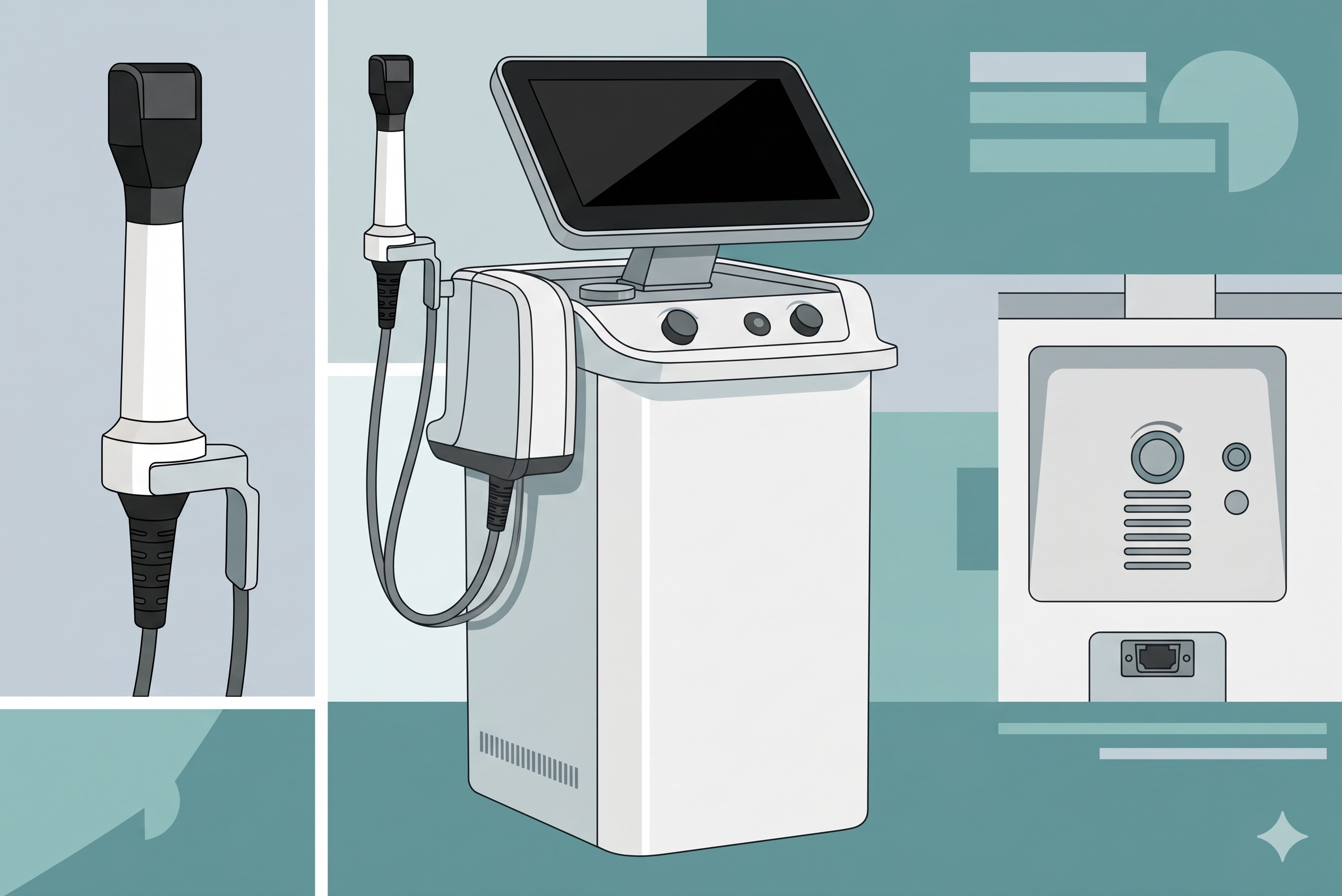
Inmode is a radiofrequency platform, and the two modes I tried were Morpheus8 (RF microneedling) and FormaTX (bulk-heating RF). In plain words, Morpheus8 sends tiny needles into the skin and releases radiofrequency heat under the surface to stimulate collagen and gently melt a little fat, while Forma is a warm, needle-free handpiece that heats everything up evenly. So it tightens skin AND softens that heavy lower-face fullness. That combo is exactly why I picked it.
The needling part, told honestly
When I first tried Morpheus8, I will not lie to you — it is not a spa day. They numb you with cream for about 30–40 minutes first, so it is very manageable, but you still feel heat and little sharp pulses, especially near the jaw and hairline. It is more "pressure and zap" than pain. The Forma part afterward was actually lovely, like a hot stone massage on your face.
Afterwards I was pink and a bit swollen, with faint pinpoint dots where the needles went in. That lasted about two, maybe three days for me. I went back to work the next day with a little makeup and nobody said a word. That is the thing people downplay online though — there IS some downtime, just not a lot.
The results, and my honest disappointment-then-delight
Here is my real timeline. Right after, I looked slightly tighter but mostly just red. Around week two I thought "hmm, was this worth it?" Then somewhere near the 6–8 week mark my jawline looked cleaner and my skin texture — the pores especially — looked genuinely better. That delayed payoff is normal; collagen takes time. The biggest lesson I learned the hard way: one session is a tease. Inmode really wants a series of two or three, spaced a few weeks apart. I did two and the second one is where it clicked.
What it cost me in Seoul
Inmode in Seoul is honestly reasonable compared to back home. As a rough guide, a small area runs around ~500,000 KRW, lower face and neck sits around 900,000–1,200,000 KRW, and full face lands near 1,500,000–1,800,000 KRW per session. Full face plus neck can reach 2,200,000–2,500,000 KRW. Comparable Morpheus8 sessions in the US or Europe often cost $1,500–$3,500, so Seoul is a bargain — that is genuinely part of why treatments here are so popular with expats.
How does Inmode compare to Ulthera and Thermage?
The quick version: they work at different depths, so they are not really rivals — they are teammates. Inmode uses RF at the skin and fat layer, Ulthera uses focused ultrasound to reach the deep SMAS layer (the same layer a surgical facelift pulls on), and Thermage uses RF across the broad dermis to tighten and smooth the whole surface.
Ulthera (Ultherapy) — for real lifting
Ulthera is the one to choose when your concern is deep sagging. It uses micro-focused ultrasound to reach that deep support layer, so it lifts from underneath in a way surface treatments cannot. A friend of mine in her mid-forties did it for a dropping jawline and got a more noticeable "lifted" effect than my Inmode gave me. The trade-off? It can be more uncomfortable during the shots, and results build slowly over two to three months. In Seoul it usually runs about 800,000–2,500,000 KRW for full face, depending on shot count. One tip locals swear by: do not fall for cheap "300-shot" packages, because a full face really needs more shots to get a meaningful collagen response.
Thermage — for smooth, tight, comfortable
Thermage is the gentlest of the three and my pick for someone who just wants firmer, smoother skin without needles or fat loss. It is monopolar RF that heats the dermis broadly, it is usually a single session, and the downtime is basically nothing. Full-face Thermage FLX in Korea tends to run somewhere around $900–$2,000 depending on how many shots you get. If you have crepey texture but you do NOT want to lose any face volume, this is your one. People with thinner faces often prefer it over Inmode for exactly that reason.
Quick comparison table
| Feature | Inmode (Morpheus8 / FormaTX) | Ulthera (Ultherapy) | Thermage FLX |
|---|---|---|---|
| Energy | RF microneedling + bulk RF | Micro-focused ultrasound (HIFU) | Monopolar RF |
| Depth | Skin + fat layer | Deep SMAS layer | Broad dermis |
| Best for | Pores, texture, mild sag, lower-face fat | Deep sagging, jawline lift | Overall smoothing + tightening |
| Downtime | ~2–3 days, pinpoint redness | Minimal, some soreness | Almost none |
| Sessions | 2–3 recommended | Usually 1 | Usually 1 |
| Seoul cost (full face) | ~1,500,000–1,800,000 KRW | ~800,000–2,500,000 KRW | ~$900–2,000 |
Which skin lifting treatment is right for you?
Let me make this simple, because that is what I wished someone had done for me.
Choose Inmode if you are in your 30s to 40s, your skin quality (pores, texture, mild laxity) bothers you as much as sagging, and you would not mind losing a touch of lower-face puffiness. Choose Ulthera if you are dealing with real, structural drooping and you want the strongest lift from a non-surgical option. Choose Thermage if you want comfortable, no-needle tightening and you are protective of your facial volume. And honestly? Many Gangnam clinics will suggest combining Ulthera for the deep lift with Thermage or Inmode for the surface — because they hit different layers, they genuinely stack well.
A few expat-specific tips I learned
If you are a foreigner here, a couple of things really help. First, ask about the foreigner rate — a lot of clinics quietly offer 10–20% off that is not posted online. Second, book somewhere with English-speaking coordinators; the consultation is where you decide shot counts and areas, and you do not want to nod along blindly. Third, bring your real budget and your real goal to that consult and let the doctor design it. Skip the suspiciously cheap shot-count packages.
Frequently asked questions
Does Inmode Morpheus8 hurt, and how bad is the downtime?
It is uncomfortable but very manageable with numbing cream, more of a hot pressure-and-zap sensation than sharp pain. Expect about two to three days of redness, mild swelling, and tiny pinpoint marks where the needles entered. Most people, including me, go back to normal life the next day with a little makeup.How many Inmode sessions do I need to see results?
Plan for two to three sessions spaced a few weeks apart, not just one. A single session gives subtle results, but the real texture and lifting improvement showed up for me after the second session and built over roughly two months as new collagen formed.Inmode vs Ulthera vs Thermage — which lifts the most?
Ulthera lifts the most because its ultrasound reaches the deep SMAS layer where structural sagging lives. Inmode focuses more on skin quality plus mild fat reduction, and Thermage focuses on broad surface tightening. For deep drooping choose Ulthera; for texture and lower-face fullness choose Inmode.Is skin lifting in Seoul cheaper than in the US or Europe?
Yes, meaningfully cheaper. A Morpheus8 session that might cost $1,500–$3,500 back home often runs the equivalent of roughly $450–$1,300 in Seoul, and many clinics offer additional foreigner discounts of 10–20% that are not advertised online. Just avoid the cheapest low-shot packages.Will Inmode make my face look thinner or gaunt?
It can slightly reduce lower-face fat, which is great if you have jowls or puffiness but not ideal if your face is already thin. If you are protective of your facial volume, Thermage is the safer choice because it tightens without targeting fat.Final verdict: my honest recommendation
So after all the redness and the "was this worth it" moments, here is where I landed. Inmode is the treatment I personally recommend first for people in their 30s and 40s who care about skin quality and a cleaner lower face, because it does two jobs at once with short downtime and a fair Seoul price. Ulthera is the winner if you need serious deep lifting, and Thermage is the comfortable choice for smooth, tight skin without touching your volume.
If I had to compress it to three lines: Inmode for texture, pores, and a little fat with mild lifting. Ulthera for the strongest non-surgical lift. Thermage for gentle all-over tightening. Whichever you pick, book a proper dermatologist consult, ask about foreigner pricing, and do not judge the result until the two-month mark.
You can learn more about the technology directly on the official brand site at InMode.